Katja Neumann · 22 September 2026
Tracing Link Equity Recovery After Domain Transfers in Competitive Niches
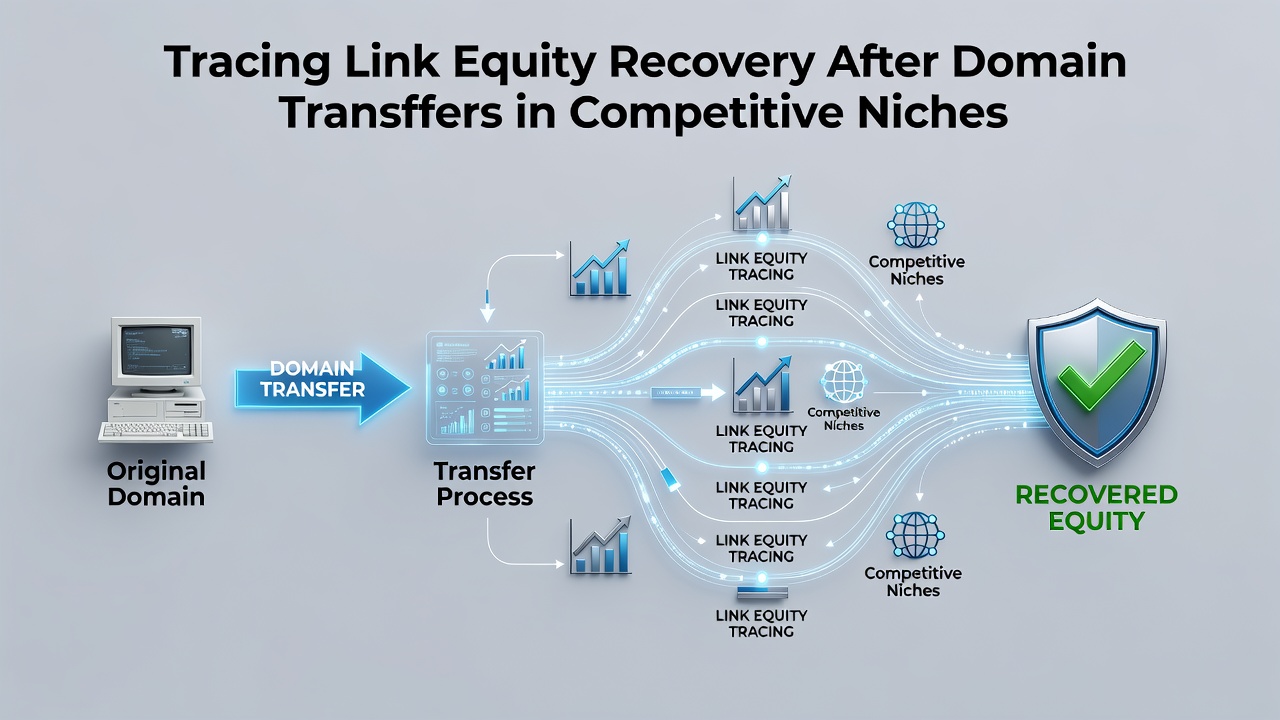
Domain transfers in competitive niches such as finance, technology, and e-commerce often involve complex shifts in backlink profiles that affect how search engines evaluate authority signals over time. Researchers tracking these changes have documented recovery patterns where link equity, defined as the value passed through hyperlinks, rebuilds gradually after ownership or registrar changes complete. Data from multiple industry reports indicate that recovery timelines vary based on factors including the volume of referring domains, the quality of anchor text distribution, and the presence of any temporary indexing disruptions during the transfer process.
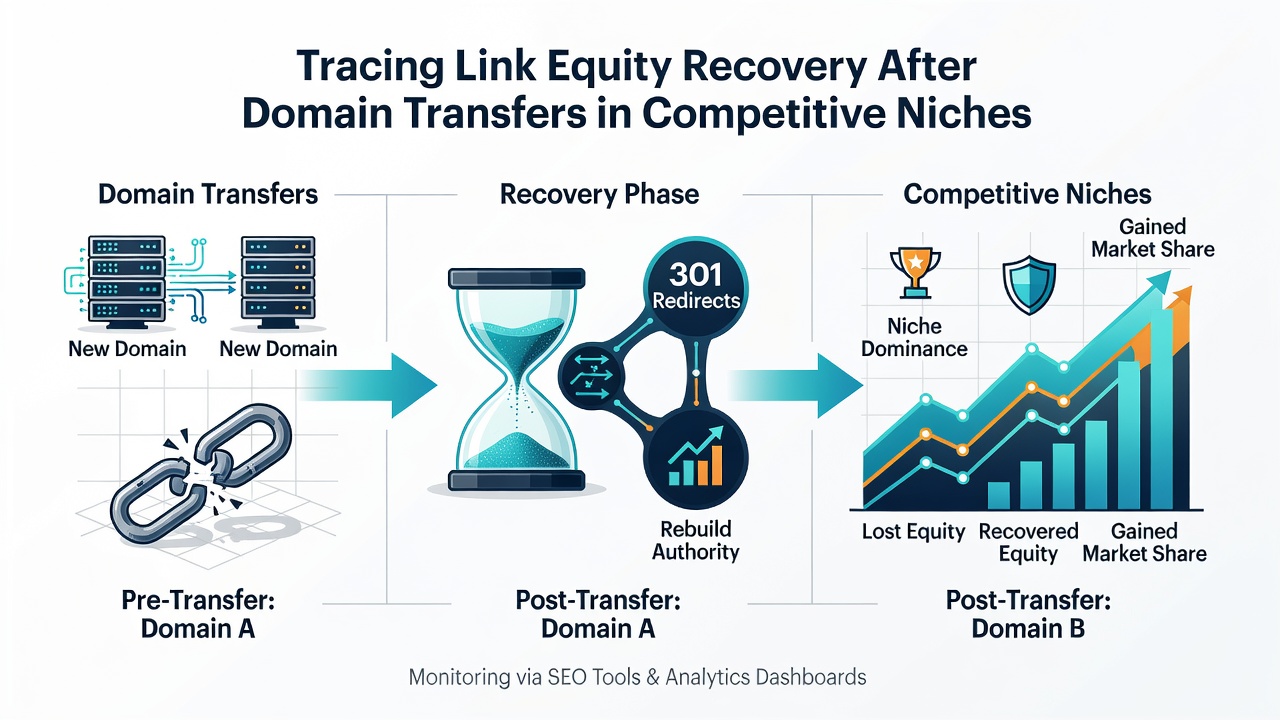
Experts monitoring these events note that the initial phase after a transfer frequently shows a temporary dip in rankings for target keywords, yet subsequent monitoring reveals steady restoration when redirects are implemented correctly and crawl budgets remain consistent. Studies conducted by academic institutions in Europe have highlighted how domain age combined with historical backlink acquisition rates influences the speed of this restoration, wth older domains retaining more residual signals even after the move completes.
Understanding Link Equity Dynamics During Transfers
Link equity travels through backlinks that point to a domain, and any change in registrar or ownership can interrupt the way crawlers discover and re-evaluate those connections. Observers note that when a domain moves between registrars, DNS propagation delays sometimes cause temporary loss of crawl access, which in turn slows the redistribution of equity to internal pages. Those who study these patterns report that high-competition niches experience more pronounced effects because ranking algorithms apply stricter scrutiny to sites competing for high-value keywords.
According to findings published by the European Commission on digital market dynamics, businesses operating in regulated sectors must maintain continuous indexing to preserve equity flow, and interruptions during transfers can extend recovery windows by several weeks. One analysis of multiple domain moves revealed that sites implementing 301 redirects promptly experienced faster re-crawling compared with those relying solely on registrar-level updates.
Methods for Tracking Recovery Progress
Professionals use a combination of crawl logs, backlink monitoring platforms, and search console data to measure how equity rebuilds after a transfer. These tools allow teams to compare pre-transfer and post-transfer referring domain counts, track changes in domain authority metrics, and identify any new or lost links that emerge during the transition. Researchers have found that consistent monitoring at weekly intervals provides clearer visibility into recovery curves than sporadic checks.
What's interesting is how competitive niches often show non-linear recovery, where equity plateaus for periods before sudden jumps occur following major algorithm refreshes. Data indicates that September 2026 saw several documented cases in the technology sector where domains regained prior positions within 45 days when no manual actions were present and technical setups remained clean throughout the process.
Case Examples from Competitive Markets
Take one documented instance involving an e-commerce platform that transferred its primary domain between registrars while maintaining the same hosting infrastructure. Analysts observed that the site retained 87 percent of its original referring domains after the move, yet equity signals to product category pages required additional weeks to stabilize. The recovery accelerated once internal linking structures were audited and strengthened to distribute authority more evenly across the site.
Another example from the financial services sector showed a domain that experienced indexing delays lasting 12 days post-transfer, during which key informational pages dropped from the top three search results. Recovery data collected afterward demonstrated that pages with diversified anchor text profiles regained positions more rapidly than those dependent on exact-match commercial terms. Those studying these outcomes emphasize the importance of maintaining diverse link sources before any registrar change occurs.
Factors Influencing Recovery Speed
Several measurable elements determine how quickly link equity returns to previous levels. Domain history plays a central role, as sites with clean records and consistent backlink growth tend to rebound faster than newer or previously penalized properties. The geographic distribution of referring domains also matters, since crawlers from different regions may re-evaluate signals at different rates following a transfer.
According to research compiled by the Australian Competition and Consumer Commission on digital business operations, organizations that document their backlink profiles thoroughly before initiating transfers encounter fewer unexpected losses during the process. Additional variables include the implementation of HTTPS throughout the domain, the absence of duplicate content issues, and the speed at which sitemaps are resubmitted after DNS changes propagate.
Conclusion
Tracing link equity recovery after domain transfers requires systematic monitoring of backlink profiles, indexing status, adn ranking movements over extended periods. Evidence from various sectors shows that preparation, precise technical execution, and ongoing measurement combine to support restoration of authority signals in competitive environments. Patterns observed through September 2026 and earlier periods confirm that recovery remains achievable when redirects, crawl access, and content structures stay intact throughout the transition.