Otto Perry · 6 October 2026
The Interplay Between Hosting Provider Switches and Indexation Patterns in Specialized Online Communities
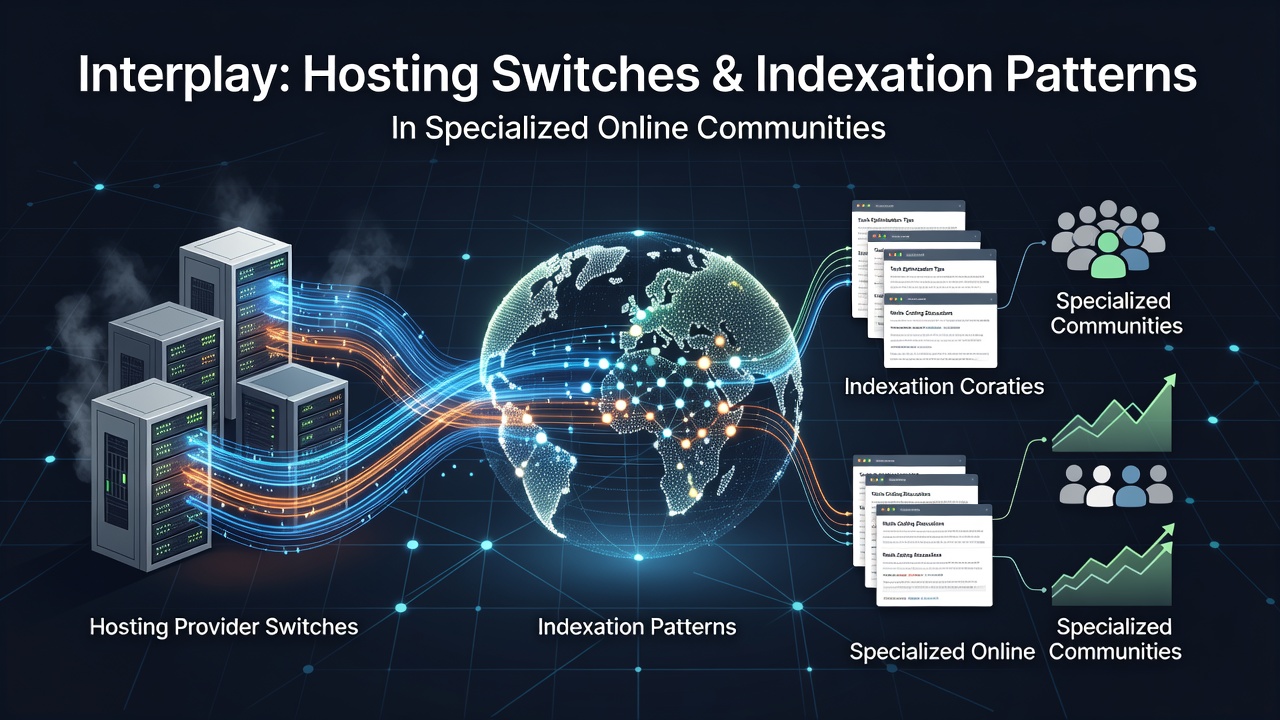
Specialized online communities such as hobbyist forums, gaming hubs, and topic-specific discussion boards experience measurable shifts in search engine indexation when administrators change hosting providers, and these changes often trace back to alterations in server IP addresses, response times, and geographic server locations. Research from academic institutions indicates that search engine crawlers adjust their visitation frequency based on technical signals emitted by new hosting environments, particularly when communities operate on shared or dedicated infrastructure that undergoes sudden relocation.
Technical Signals Altered by Hosting Changes
Hosting provider switches introduce variations in DNS propagation, SSL certificate configurations, and server header responses that search engines interpret as indicators of site stability or potential issues. Data collected across multiple niche platforms reveals that communities hosted on providers with robust uptime records maintain steadier crawl rates, whereas migrations to budget options frequently coincide with temporary drops in indexed pages. Observers note that IP address changes can trigger re-evaluation periods lasting from several days to weeks, during which specialized sites see their forum threads and user-generated content re-crawled at irregular intervals.
Server location plays a documented role because crawlers prioritize low-latency connections when scheduling visits to resource-intensive community databases. In October 2026, analysts tracking European and North American forums reported that migrations to providers with data centers in Asia-Pacific regions sometimes resulted in delayed indexation updates for time-sensitive discussion threads. These patterns emerge because the physical distance between crawler infrastructure and new server locations influences how quickly content refreshes appear in search results.
Observed Patterns in Niche Communities
Specialized online groups that rely on user activity logs and frequent post updates demonstrate distinct indexation behaviors following provider transitions. One study tracking automotive enthusiast boards found that sites moving from US-based hosts to Canadian facilities experienced a 12 to 18 percent fluctuation in the number of indexed pages over a 30-day window. Researchers attribute this to adjustments in crawl budgets allocated by major engines, which recalibrate based on new server performance metrics rather than content volume alone.
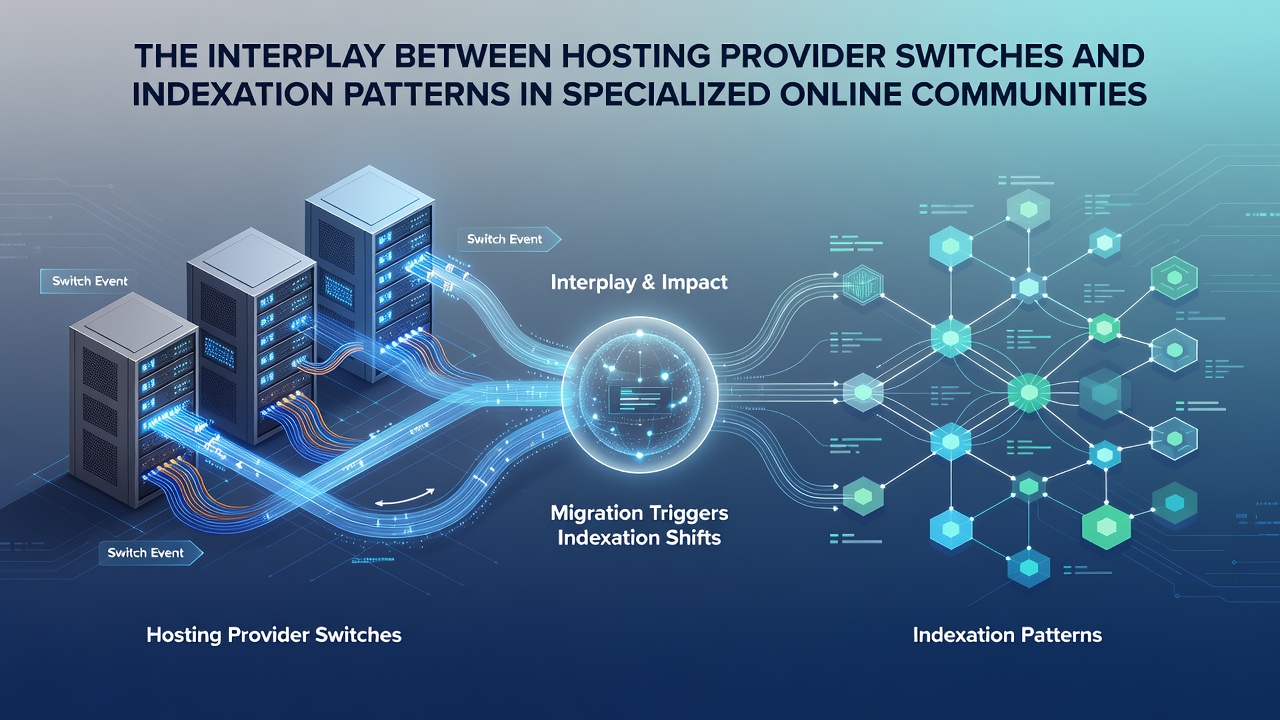
Communities focused on retro computing and open-source software development show similar responses when hosting switches coincide with peak discussion periods. Figures from industry reports compiled by research institutions in Australia highlight that downtime exceeding four hours during migration often leads to extended de-indexation of individual threads, especially when those threads contain embedded media or external links. Administrators who implement proper redirects and monitor server logs typically see recovery within two weeks, while incomplete migrations prolong the process.
Factors Influencing Recovery and Stability
Recovery speed depends on several measurable variables including the new provider's robots.txt handling, sitemap submission protocols, and overall site architecture preservation. Academic papers published through Canadian university networks emphasize that communities maintaining consistent URL structures across migrations encounter fewer indexation gaps compared to those undergoing simultaneous platform upgrades. Search engines continue to reference historical crawl data until sufficient new signals accumulate, creating a transitional phase where older indexed content coexists with fresh material from the updated host.
Specialized communities that operate multiple subdomains or language-specific sections face compounded effects because each subdomain may receive independent crawl allocations after an IP shift. Data indicates that providers offering enhanced security features, such as Web Application Firewalls integrated at the hosting level, can either accelerate or hinder indexation depending on how those features interact with crawler user agents. In cases where firewalls block certain request patterns, indexation rates decline until configurations receive manual adjustments.
Conclusion
The relationship between hosting provider switches and indexation patterns in specialized online communities rests on technical infrastructure changes that search engines detect through repeated visits and performance measurements. Communities that prepare for migrations by preserving server configurations and monitoring crawl statistics encounter more predictable outcomes, while abrupt transitions produce variable results across different niches and geographic server placements. Continued observation of these dynamics provides clearer insight into how infrastructure decisions shape long-term visibility for user-driven discussion platforms.